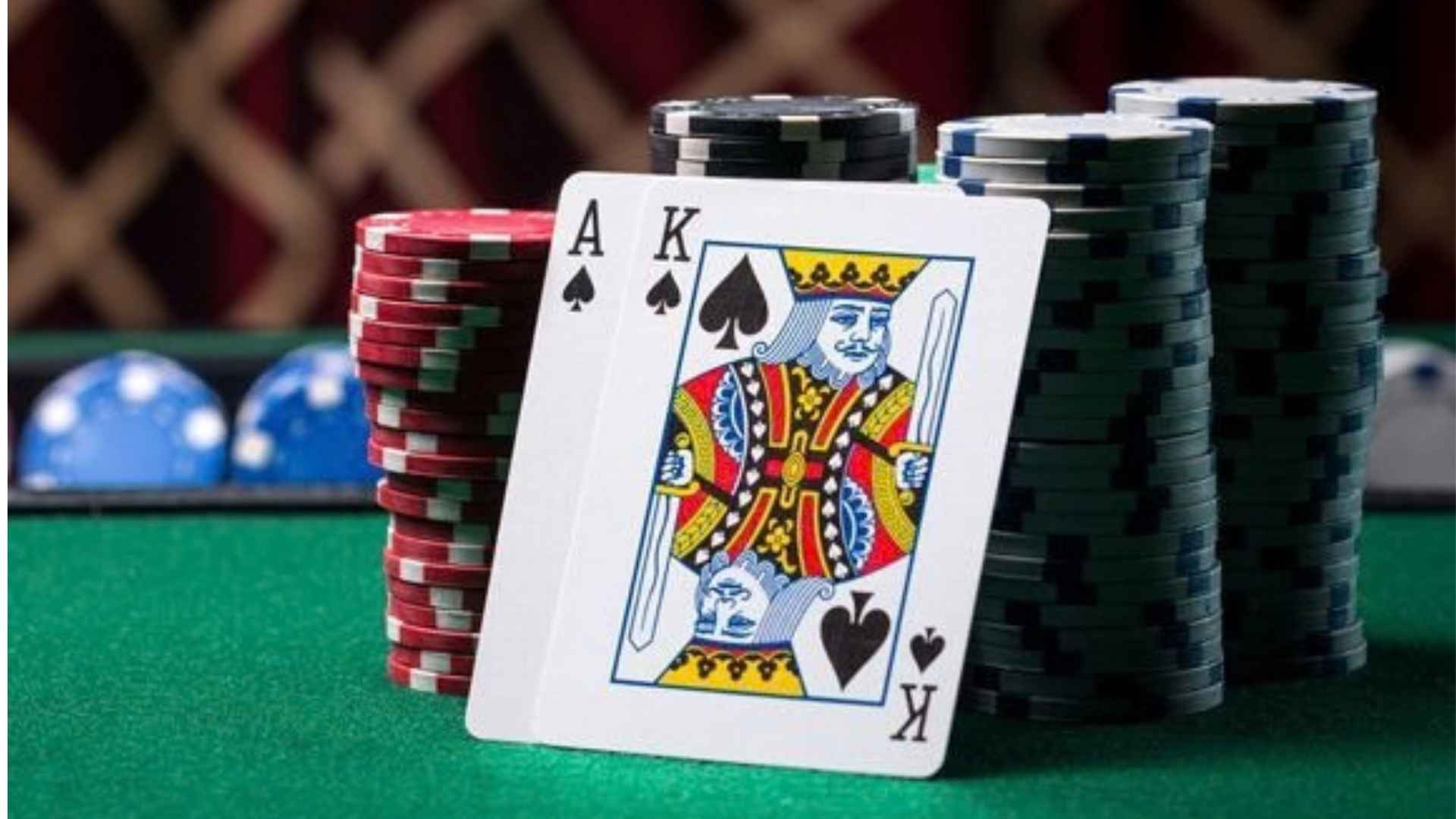
Card games have long provided entertainment, but few offer the mental stimulation found in contract bridge. Bridge games require players to analyze incomplete information, calculate probabilities, and deduce hidden card holdings across every hand. Engaging with structured trick-taking games serves as an excellent mental workout that sharpens analytical skills and improves everyday problem-solving abilities.
Building Deductive Reasoning Through Bidding
The bidding phase of bridge acts as a structured exchange of coded information between partners. Players evaluate their card strength and suit distribution to make bids that communicate specific message parameters. By observing both partner and opponent calls, players practice deductive logic to reconstruct the unseen cards around the table.
Analyzing bidding sequences trains the mind to eliminate impossible card combinations systematically. This constant evaluation helps players draw valid conclusions based on limited evidence. As analytical habits improve, players become far better at predicting outcomes and making sound decisions under uncertainty.
Enhancing Analytical Thinking During Play
Once the bidding concludes, the trick-taking phase demands precise strategic planning from the declarer and defenders alike. Every played card provides fresh evidence regarding suit breaks and remaining honors. Skilled players continuously update their mental model of the hand, adapting their tactical plan after each trick.
Strategic play encourages individuals to think several moves ahead rather than reacting impulsively to the current trick. Exploring modern digital gaming portals or seeking a reliable link alternatif m88 allows enthusiasts to test their mental speed in dynamic environments. Consistent tactical execution reinforces logical memory retention and enhances concentration during complex tasks.
Probability Assessment and Strategic Risk
Bridge is ultimately a game of managing risk through mathematical inference and probability. Players must frequently decide whether to take a finesse or play for suit split possibilities based on mathematical odds. Calculating these probabilities on the spot fosters an intuitive understanding of risk versus reward.
Evaluating competing options under time constraints helps individuals refine their overall judgment skills. Weighing likely outcomes before committing to a strategy minimizes costly mistakes during high-pressure situations. This systematic approach to risk assessment directly transfers to critical thinking challenges outside the game.
Long-Term Cognitive Benefits of Bridge
Regularly participating in intellectually challenging card games helps maintain cognitive flexibility across all age groups. Navigating intricate bidding systems and complex play patterns keeps the brain active and engaged. Over time, these analytical exercises strengthen neural pathways associated with reasoning, logic, and long-term memory.
Integrating bridge into a routine provides both intellectual growth and social connection. The combination of cooperative teamwork and intense mental problem-solving makes it a uniquely rewarding pursuit. Embracing strategic mind sports remains one of the most effective ways to cultivate sharp logical thinking.